
The First Country to Treat Energy Surplus as Treasury Will Win
Energy surplus is currently treated as a problem. Governments try to eliminate it. Grids try to absorb it. Markets try to price it away. That framing is already obsolete. In a world of accelerating renewable deployment, energy surplus is no longer a failure condition. It is an emerging form of strategic abundance. And the first country to treat energy surplus not as waste — but as treasury — will gain a decisive advantage.
ENERGY CONTROL SYSTEMS
Chris Boubalos
1/22/2026
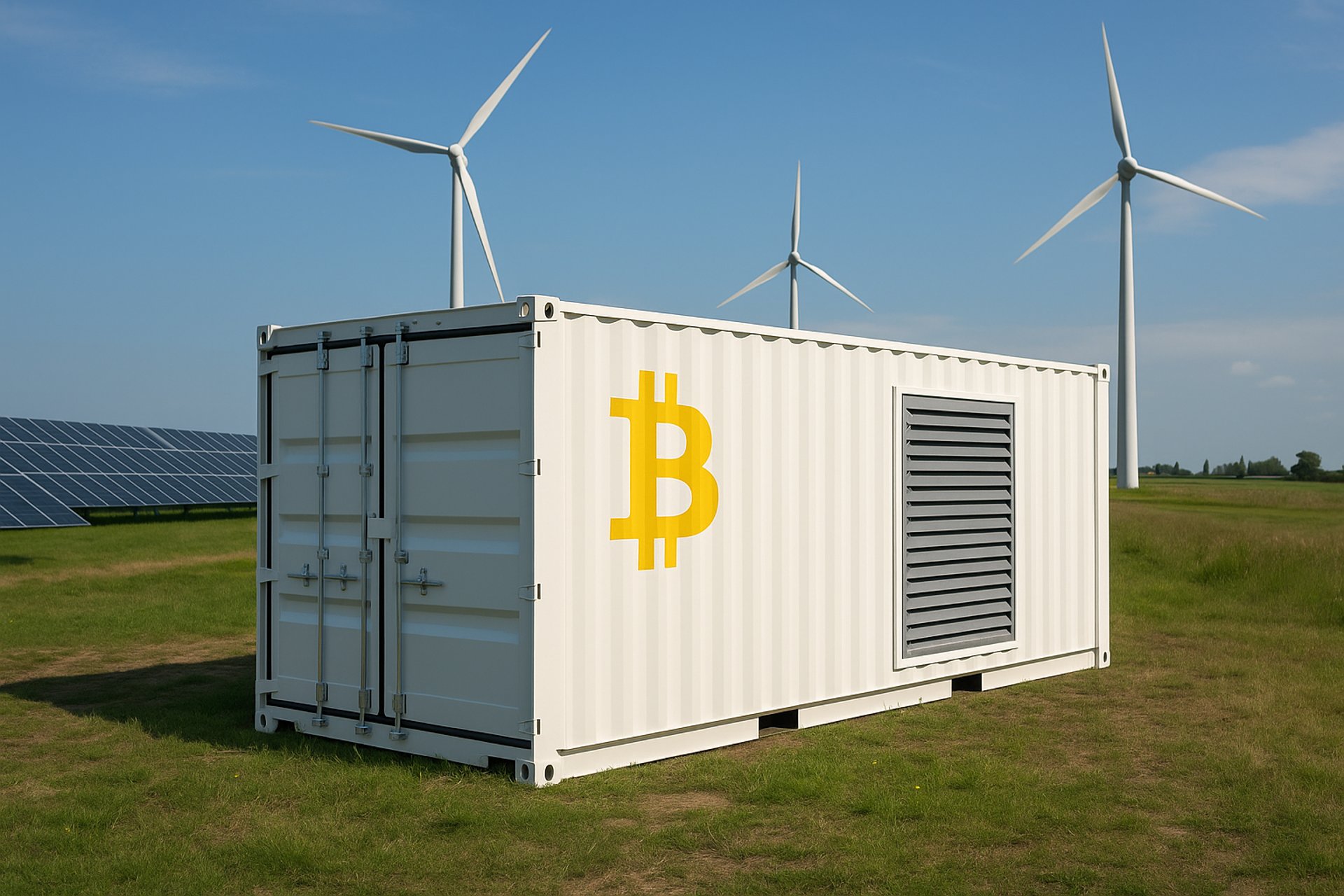
Surplus Is the New Strategic Resource
Historically, states competed over scarce inputs:
oil
gas
coal
uranium
Control over scarcity defined power.
Renewable energy inverts this logic.
The dominant condition of future systems is not shortage — it is excess. Excess that appears intermittently, geographically unevenly, and often when markets cannot absorb it.
Most countries respond by asking:
“How do we get rid of surplus?”
The winning countries will ask:
“How do we store surplus value, not surplus electrons?”
That distinction is everything.
Why Grids Cannot Function as National Treasuries
A treasury stores value.
Grids do not.
Grids:
move energy
balance flows
clear markets
They do not:
preserve value during oversupply
protect against price collapse
decouple production from demand
As argued in The Grid-First Fallacy, treating the grid as the final sink for all energy assumes infinite absorption capacity. In reality, grids are congestion-bound, politically constrained, and increasingly saturated.
A national treasury cannot collapse to zero when supply is high.
Grid pricing can — and does.
Storage Does Not Create Sovereignty
Batteries are often presented as the answer.
They help — but they do not change the strategic equation.
Storage:
shifts energy in time
depends on future price recovery
remains grid-facing
As shown in Why Energy Storage Alone Will Never Fix Oversupply, storage smooths volatility but does not neutralize abundance.
A treasury cannot depend on arbitrage.
A treasury must terminate exposure.
Why Energy Surplus Needs a Value Sink, Not a Buffer
Buffers delay surplus.
Treasuries absorb it.
This is the architectural shift described in Why Energy Systems Need Sinks, Not Just Buffers and From Buffers to Sinks: The New Architecture of Energy Systems.
At the state level, the question becomes:
Can surplus be converted into something non-correlated with domestic demand?
Can value be stored outside energy markets?
Can the state accumulate strategic reserves without distorting its own grid?
If the answer is no, surplus remains a liability.
If the answer is yes, surplus becomes treasury.
Energy as Treasury Changes National Power Dynamics
A country that can convert surplus energy into treasury-grade value gains:
price insulation
balance-sheet flexibility
geopolitical optionality
It no longer needs to:
dump energy at negative prices
subsidize curtailment
overbuild grids defensively
Instead, it accumulates reserves during abundance and deploys them strategically.
This is not theoretical.
It is the same logic behind:
commodity reserves
sovereign wealth funds
strategic stockpiles
Energy surplus is simply the next input — once it can be converted.
Bitcoin as a Treasury-Compatible Energy Sink
Bitcoin mining, when framed correctly, is not an industry.
It is a conversion layer.
It converts:
non-storable energy
at the moment of surplus
into globally liquid, non-sovereign value
This is the control-layer logic explained in Bitcoin Mining Is Not a Business — It’s a Control System.
Once converted, surplus energy:
is no longer constrained by grids
is no longer exposed to local pricing
becomes deployable capital
That is treasury behavior.
Why This Is a State-Level, Not Corporate, Insight
Companies optimize projects.
States optimize systems.
A state that treats energy surplus as treasury can:
stabilize national power markets
reduce subsidy dependence
fund long-term priorities (infrastructure, defense, restoration)
increase monetary optionality without issuing debt
This directly addresses the fragility described in Why Debt Is the Real Enemy of Renewable Projects — but at sovereign scale.
Debt binds the future.
Treasury preserves it.
The Regenerative Side Effect of Surplus as Treasury
When surplus becomes treasury, curtailment disappears.
And when curtailment disappears:
value destruction stops
patient capital emerges
restoration becomes fundable
As argued in Why Restoration Will Become a Hard Requirement for Energy Assets, systems that change land without repairing it face resistance.
A surplus-as-treasury model creates the financial space to:
invest in forests
repair ecosystems
stabilize social license
Not as charity — but as statecraft.
The First-Mover Advantage Will Be Massive
The first country to institutionalize this model will:
set regulatory standards
attract capital and talent
shape global norms around energy monetization
Late adopters will still build renewables —
but they will export value instead of accumulating it.
This is the same pattern seen with:
reserve currencies
commodity exchanges
financial clearing systems
Infrastructure precedes dominance.
Conclusion: Abundance Is Power — If Treated Correctly
Energy abundance is inevitable.
The only open question is who benefits from it.
Countries that:
treat surplus as waste
rely solely on grids and storage
suppress abundance
will struggle.
Countries that:
convert surplus into treasury
build sinks, not just buffers
design for optionality
will win.
The first country to recognize that energy surplus is not an operational problem —
but a strategic reserve waiting to be claimed —
will redefine power in the energy age.
Contact
© 2025 Entropy888. All rights reserved.
Powered by Renewable Energy.
Christos Boubalos - Business Development Lead +306972 885885 mob/whatsapp
christos@entropy888.com
-------------------------------------------
General Enquiries - info@entropy888.com