
The Grid-First Fallacy: Why Designing Renewable Energy Around the Grid No Longer Works
For decades, renewable energy projects have been designed around a single, unquestioned assumption: The grid is the destination. Produce electricity. Inject it into the grid. Get paid. This logic shaped everything — project finance, engineering decisions, regulation, and even how success is measured. As long as demand exceeded supply, it worked. Today, it doesn’t. Not because renewables failed — but because they succeeded faster than the systems built to absorb them. The grid-first design philosophy is now one of the biggest structural bottlenecks in the energy transition.
ENERGY CONTROL SYSTEMS
Chris Boubalos
1/6/2026
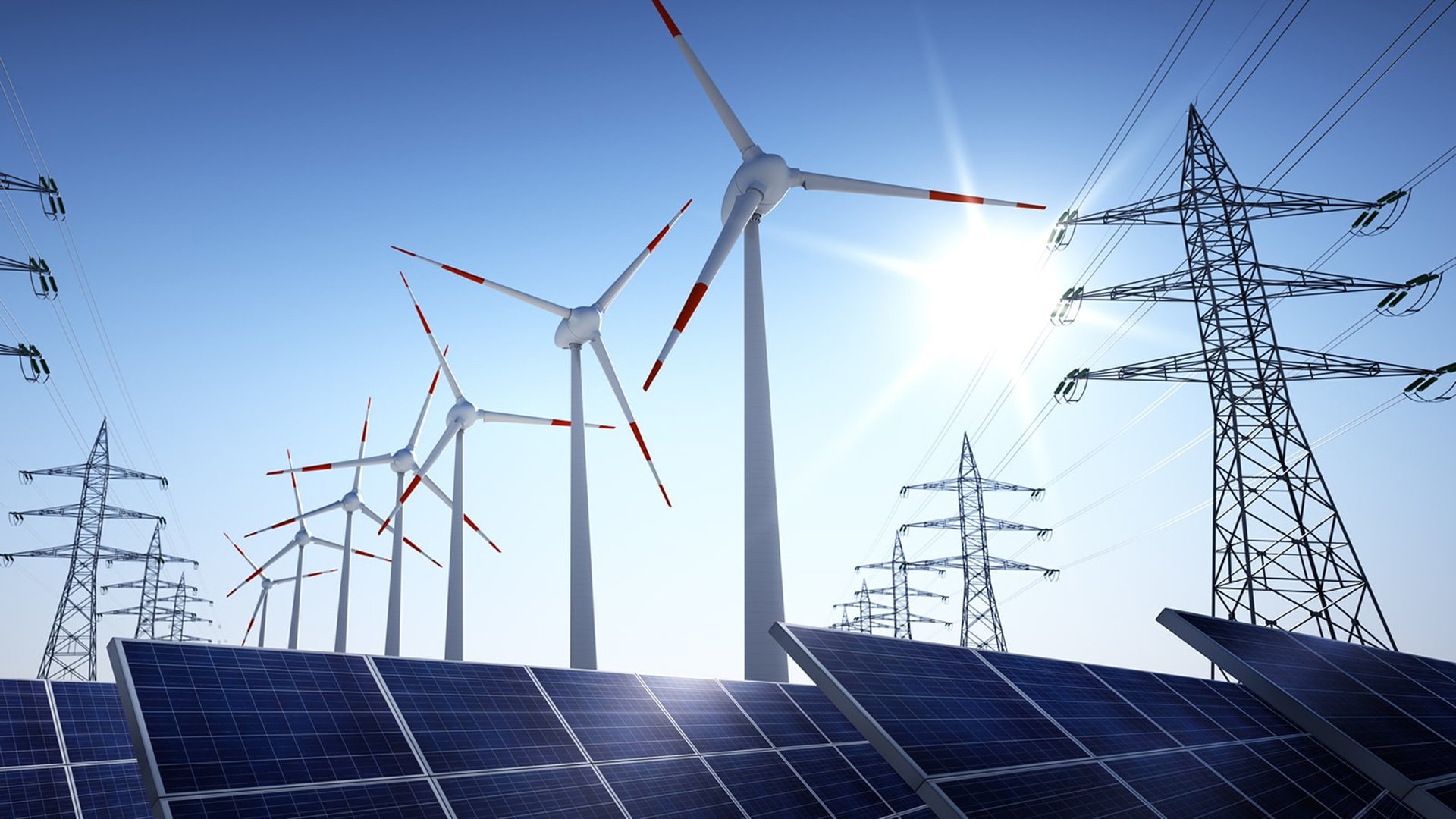
The Grid Was Built for Scarcity, Not Abundance
Electric grids were designed in an era of scarcity.
Generation was limited. Demand was predictable. Power flowed in one direction. The grid’s role was to distribute scarce energy as reliably as possible.
Renewables invert this logic.
Solar, wind, and hydro introduce:
intermittency
geographic concentration
time-based abundance
unpredictable surplus
The grid was never meant to manage abundance. It was meant to prevent shortage.
As a result, when renewable penetration rises, grids become constraints instead of enablers.
When the Grid Becomes the Bottleneck
In many regions today, renewable projects are no longer limited by:
technology
cost
resource availability
They are limited by:
transmission capacity
grid congestion
curtailment rules
negative pricing
Energy is produced — but cannot be absorbed.
This is where the grid-first assumption breaks.
Designing systems that require grid acceptance to remain viable creates fragility. When the grid says “no,” value collapses.
Grid Dependence Is Not Conservative — It’s Risky
Grid-first thinking is often defended as “safe” or “traditional.”
In reality, it concentrates risk.
Grid-dependent assets are exposed to:
curtailment decisions they do not control
pricing regimes that clear at zero
political intervention
slow infrastructure upgrades
As explored in Why Cheap Energy Is a Liability Without Flexible Monetization, producing low-cost energy is no longer enough. Without alternative monetization paths, grid dependence turns abundance into financial stress.
Why Grid Expansion Cannot Save the Model
The common counterargument is simple:
“We just need more grid.”
This underestimates the problem.
Grid expansion is:
capital-intensive
politically contested
slow to deploy
geographically constrained
Renewable capacity is scaling faster than grids can expand. This gap will widen, not close.
Designing every new project around a future grid upgrade is not strategy — it is hope.
The Deeper Problem: Single-Exit Design
At its core, grid-first design fails because it relies on a single exit path.
When energy systems have only one way to create value, they are brittle.
Single-exit systems:
cannot wait
cannot redirect
cannot absorb volatility
cannot survive regime shifts
As discussed in Bitcoin Mining Is Not a Business — It’s a Control System, resilient systems require control layers that absorb instability instead of amplifying it.
The grid is not a control layer. It is a constraint.
Why the Grid Cannot Be the Control System
Control systems regulate behavior under changing conditions.
They respond quickly.
They absorb excess.
They stabilize outputs.
Grids do none of these things economically.
They:
enforce physical limits
transmit volatility downstream
react slowly to structural change
Expecting the grid to manage renewable abundance is like expecting a highway to manage traffic by growing infinitely wider.
It cannot.
Control Has Moved Upstream
As renewable systems mature, control must move closer to generation.
This is the central shift of the new energy era:
from grid-centric design
to system-centric design
As explained in Flexible Monetization Is the New Baseload, stability no longer comes from constant production. It comes from the ability to monetize energy under any condition.
That capability cannot live exclusively in the grid.
Flexible Monetization Breaks Grid Dependence
Flexible monetization introduces alternative economic pathways that:
do not depend on grid demand
do not require transmission expansion
operate instantly
are fully interruptible
This changes the design equation.
Instead of asking:
“Can the grid take this power?”
The system asks:
“Where can this power create value right now — or later?”
That question is incompatible with grid-first logic.
Bitcoin Mining as a Grid-Optional Layer
Bitcoin mining does not replace the grid.
It makes the grid optional.
Mining:
absorbs surplus when the grid cannot
shuts down when the grid needs priority
monetizes energy independent of price
provides a revenue floor under volatility
As a result, grid interaction becomes a choice — not a dependency.
This is a fundamental shift in system design.
Why Grid-Optional Systems Outperform
Grid-optional systems:
survive curtailment
stabilize cash flows
reduce regulatory exposure
gain negotiating leverage
Grid-dependent systems:
absorb volatility
suffer value destruction
rely on policy
face stranded risk
Both may generate clean energy.
Only one controls its outcome.
The Grid-First Fallacy Exposed
The fallacy is not believing in the grid.
The fallacy is believing the grid can remain the primary organizing principle of renewable systems.
It cannot.
Grids are necessary — but insufficient.
Designing renewable energy around the grid made sense in scarcity.
In abundance, it creates fragility.
Conclusion: Design for Choice, Not Permission
The future of renewable energy does not belong to systems that ask permission to exist.
It belongs to systems that retain choice.
Choice to:
sell
wait
redirect
convert
Grid-first design removes choice.
Grid-optional design restores it.
That is the difference between assets that survive renewable abundance — and those that quietly fail under it.
Contact
© 2025 Entropy888. All rights reserved.
Powered by Renewable Energy.
Christos Boubalos - Business Development Lead +306972 885885 mob/whatsapp
christos@entropy888.com
-------------------------------------------
General Enquiries - info@entropy888.com