
Flexible Monetization Is the New Baseload
For over a century, energy systems were built around one central idea: baseload. A constant, predictable source of power that never turns off. Coal, nuclear, large hydro — systems designed to run continuously, anchoring the grid and stabilizing prices. That model shaped everything: grid architecture pricing mechanisms industrial planning energy finance But the baseload era is ending. Not because demand disappeared — but because predictability did.
FLEXIBLE MONETIZATION
Chris Boubalos
1/4/2026
Baseload Was a Solution to Scarcity
Traditional baseload existed to solve one problem: scarcity.
Demand exceeded supply. Power had to be available at all times. Failure was catastrophic. Stability mattered more than flexibility.
In that context, constant generation made sense.
Renewables inverted the equation.
Solar and wind do not produce when demand requires it.
They produce when nature allows it.
Abundance replaces scarcity.
Variability replaces predictability.
The old baseload logic breaks.
Why Baseload No Longer Anchors the System
In a renewable-dominant grid:
supply is intermittent
demand is rigid
transmission is constrained
pricing is volatile
A generator that must run is no longer stabilizing — it becomes a problem.
What once anchored the system now:
forces curtailment elsewhere
amplifies price collapse
increases systemic stress
The grid no longer needs energy that cannot adapt.
It needs systems that can choose.
Stability Has Moved From Production to Monetization
This is the key shift.
Stability no longer comes from producing electricity continuously.
It comes from being able to monetize electricity under any condition.
Whether energy is:
abundant or scarce
priced high or negative
needed by the grid or rejected
The system that survives is the one that can always decide:
“How do I extract value right now — or wait?”
This is the new baseload.
Not constant generation.
Constant monetization capability.
Flexible Monetization as Structural Anchor
Flexible monetization means having at least one economic pathway that:
is not dependent on grid demand
is not price-sensitive
is instant and reversible
absorbs surplus without complaint
Such a pathway acts as:
revenue stabilizer
volatility buffer
risk absorber
strategic reserve
It anchors the system economically — even when the grid cannot.
This function is what baseload once provided.
But now, it exists at the monetization layer, not the production layer.
Why Storage Alone Cannot Be the New Baseload
Energy storage is necessary — but insufficient.
Batteries solve short-term physics:
frequency regulation
peak shifting
short-duration smoothing
They do not solve:
seasonal oversupply
prolonged low-price environments
multi-year revenue instability
Storage keeps electrons moving.
It does not guarantee value capture.
Baseload was never about electrons alone.
It was about economic certainty.
Bitcoin Mining as Baseload Replacement
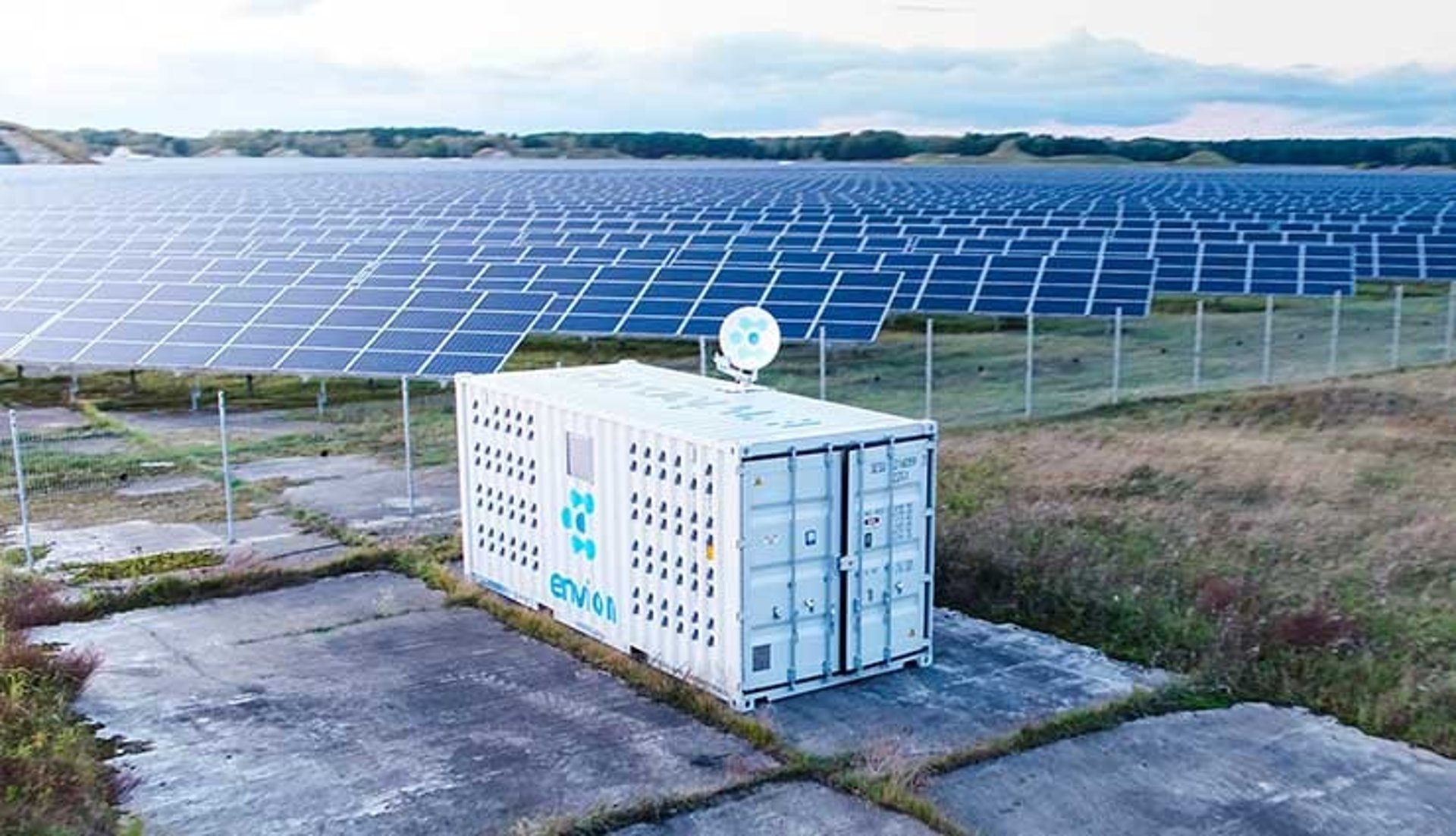
Bitcoin mining fulfills the economic role baseload once played — without the physical rigidity.
It:
absorbs surplus instantly
shuts down instantly
operates independently of grid demand
monetizes energy regardless of market price
This is not continuous generation.
It is continuous optionality.
Mining does not anchor the grid physically.
It anchors the project economics.
That distinction is decisive.
The Baseload of the Future Is Optionality
In unstable systems, the most valuable capability is not output — it is choice.
Choice to:
wait
divert
convert
shut down
Flexible monetization gives energy systems this choice.
It allows producers to survive:
negative pricing
political intervention
demand shocks
infrastructure delays
Baseload once meant “always on.”
Now it means “always able.”
Why Energy Owners Must Redesign Around This Reality
Projects designed only for grid export are structurally incomplete.
They assume:
permanent demand
rational pricing
infinite transmission
political neutrality
None of these assumptions hold anymore.
Energy owners who redesign projects with flexible monetization at the core gain:
pricing independence
downside protection
negotiating leverage
long-term resilience
Those who do not will increasingly depend on:
subsidies
regulation
bailouts
luck
Baseload thinking without flexibility is no longer conservative.
It is reckless.
The Entropy888 System View
At Entropy888, flexible monetization is treated as foundational infrastructure, not a bolt-on strategy.
Bitcoin mining is integrated as a controllable, interruptible layer that replaces the economic role of baseload — stabilizing revenue while allowing the physical system to remain adaptive.
The goal is not to maximize output.
It is to ensure the system never loses the ability to choose.
A New Definition of Reliability
Reliability used to mean:
“Can the power plant keep running?”
Now it means:
“Can the system survive any market condition?”
That is a fundamentally different question.
Reliable systems are no longer those that never stop.
They are those that never lose control.
Conclusion: Baseload Is Dead — Control Is Not
The energy transition did not eliminate the need for stability.
It relocated it.
Stability no longer lives in constant generation.
It lives in flexible monetization.
This is the new baseload:
invisible
economic
adaptive
strategic
Energy systems that understand this will endure abundance.
Those that cling to old baseload logic will collapse under it.
The future does not belong to systems that run forever.
It belongs to systems that can always decide.
Contact
© 2025 Entropy888. All rights reserved.
Powered by Renewable Energy.
Christos Boubalos - Business Development Lead +306972 885885 mob/whatsapp
christos@entropy888.com
-------------------------------------------
General Enquiries - info@entropy888.com