
From Buffers to Sinks: The New Architecture of Energy Systems
For most of modern grid history, energy systems were designed around buffers. When production fluctuated, buffers absorbed it. When demand spiked, buffers released it. When stability was threatened, buffers smoothed it. That architecture made sense in a world of scarcity. It is breaking down in a world of abundance. As renewable penetration accelerates, the core challenge is no longer volatility — it is excess. And excess cannot be solved by buffering alone. Energy systems are entering a new phase: from buffer-centric design to sink-centric architecture.
ENERGY CONTROL SYSTEMS
Chris Boubalos
1/21/2026
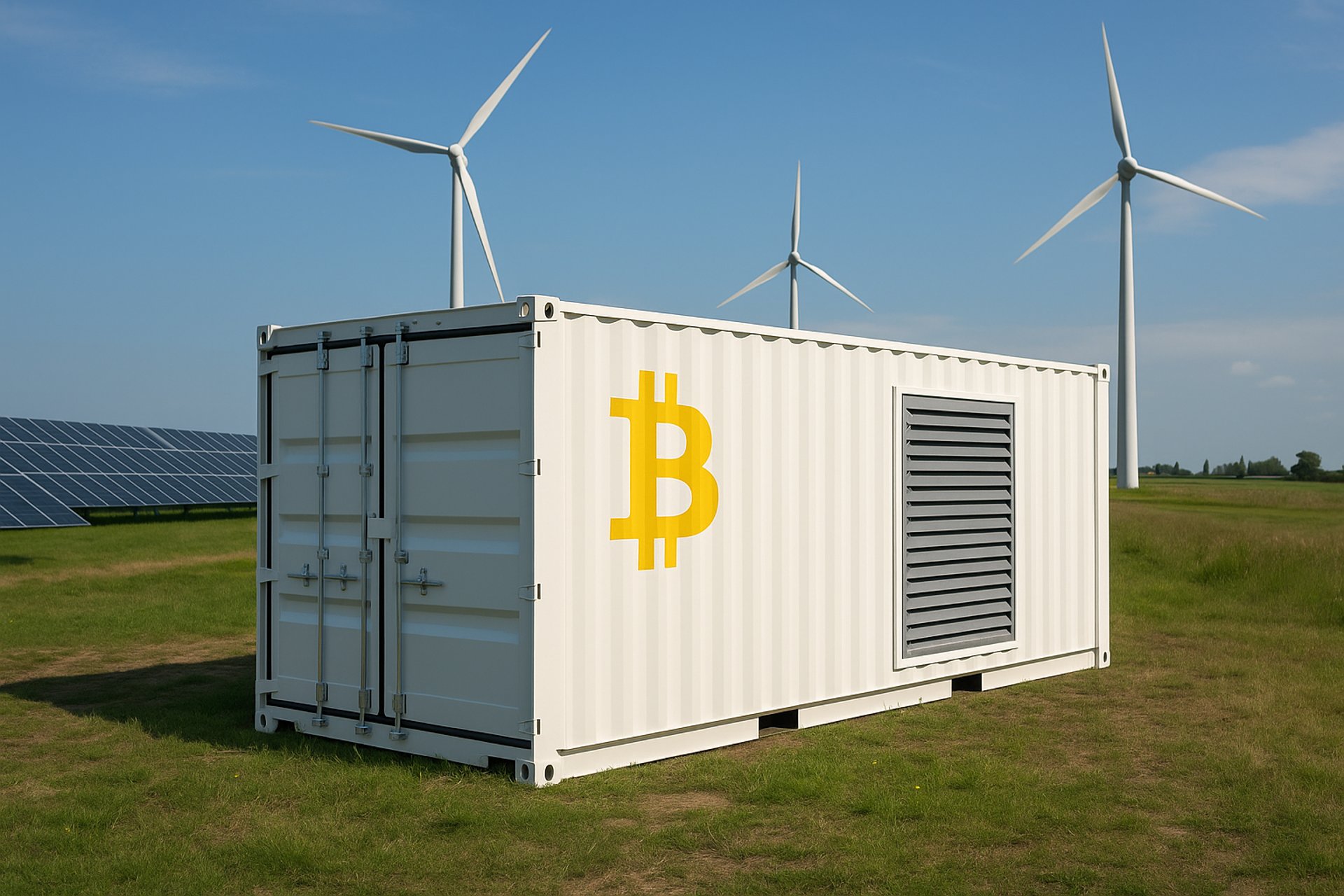
The Buffer Era Was Built for Scarcity
Buffers exist to manage imbalance.
They assume:
demand will eventually materialize
prices will recover
energy will find value inside the system
This assumption held when energy was scarce and production was dispatchable.
Today, renewable energy produces:
when nature allows
regardless of demand
at marginal costs approaching zero
As argued in Why Energy Storage Alone Will Never Fix Oversupply, buffering an oversupplied system does not resolve excess — it delays it.
When abundance is structural, buffers saturate.
Oversupply Changes the Design Constraint
In abundant systems, the design question shifts.
It is no longer:
“How do we smooth fluctuations?”
It becomes:
“Where does excess go when markets are full?”
Buffers move energy in time.
Sinks remove energy from competition.
This distinction defines the next architecture.
As explored in Why Energy Systems Need Sinks, Not Just Buffers, systems without sinks become forced sellers. Forced sellers destroy value — regardless of efficiency.
Why More Buffers Lead to Diminishing Returns
As buffers scale:
spreads compress
arbitrage collapses
cycles lose profitability
Buffers compete with each other.
The more capacity added, the less valuable each unit becomes.
This mirrors the financial fragility described in Why Debt Is the Real Enemy of Renewable Projects: capital deployed into saturated systems amplifies risk instead of reducing it.
Buffers stabilize electrons.
They do not stabilize economics.
What Defines a Sink in Energy Systems
A sink is not storage.
A sink:
absorbs energy at the point of surplus
does not depend on future price recovery
operates independently of grid demand
can scale instantly and shut down without penalty
A sink terminates excess.
Once energy enters a sink, it does not need to re-enter the grid to create value.
This is a fundamentally different system role.
Control Layers Enable Sinks — Capacity Layers Do Not
This is where architecture matters.
Capacity layers:
add megawatts
add megawatt-hours
add infrastructure
Control layers:
decide when energy exits
decide where value is realized
decide when production stops
As described in Bitcoin Mining Is Not a Business — It’s a Control System, control layers convert surplus energy into value streams that are no longer constrained by grid saturation.
That conversion is irreversible — by design.
This is how sinks are created.
Why Grid Expansion Cannot Replace Sinks
Grid expansion is often presented as the ultimate fix.
More interconnections.
More exports.
More reach.
But grids redistribute surplus — they do not eliminate it.
As renewable penetration increases everywhere, exporting surplus simply spreads oversupply geographically.
This is the flawed assumption critiqued in The Grid-First Fallacy: that there will always be somewhere else to send excess.
Sinks remove energy from the competitive arena entirely.
Buffers Increase Fragility — Sinks Increase Optionality
Buffers are capital-intensive.
More buffers mean:
higher capex
more leverage
fixed obligations
tighter constraints
As shown in Renewables Without Bitcoin Are Financially Broken Assets, rigidity layered on volatility leads to repricing and failure.
Sinks behave differently.
They:
absorb surplus opportunistically
require no mandatory outflows
operate only when conditions are favorable
Optionality scales better than capacity.
The Regenerative Implication of Sink-Led Systems
The buffer-only model has another failure mode:
it destroys value through curtailment.
Curtailment eliminates the capital needed for:
environmental repair
social license
long-term resilience
As argued in The End of Passive Green Assets and Why Restoration Will Become a Hard Requirement for Energy Assets, systems that alter landscapes without funding repair face rising resistance.
Sink-led systems convert surplus into:
durable value
patient capital
restoration capacity
Buffers consume capital.
Sinks generate it.
From Optimization to Termination Pathways
Early energy systems optimized production.
Modern systems optimized efficiency.
Mature systems must design termination pathways.
They must answer:
How is surplus neutralized?
How is abundance prevented from becoming destructive?
How is value preserved when markets fail?
As explored in Why the Energy Transition Must Become Regenerative — Not Just Renewable, abundance is the success condition of decarbonization — not a bug.
Suppressing abundance with buffers is self-defeating.
Designing sinks is how systems mature.
The New Architecture in One Sentence
Buffers manage instability.
Sinks resolve abundance.
Energy systems built only on buffers will:
saturate
compress returns
force selling
externalize damage
Energy systems designed around sinks will:
absorb surplus
stabilize value
fund restoration
endure
Conclusion: Architecture Determines Outcomes
The next phase of energy is not about adding more capacity.
It is about changing architecture.
From smoothing to absorbing.
From buffering to terminating.
From fighting abundance to designing around it.
The systems that recognize this shift early will define the next decade of energy investment.
Not because they are greener —
but because they are structurally correct.
Contact
© 2025 Entropy888. All rights reserved.
Powered by Renewable Energy.
Christos Boubalos - Business Development Lead +306972 885885 mob/whatsapp
christos@entropy888.com
-------------------------------------------
General Enquiries - info@entropy888.com