
Why Regenerative Energy Will Attract the Next Wave of Capital
Capital does not move because narratives sound good. It moves when risk is priced correctly and upside is structurally protected. This is why the next wave of capital in energy will not flow toward projects that are merely renewable — but toward projects that are regenerative by design. Not because investors suddenly became environmental idealists. But because regenerative systems solve problems that renewable-only systems cannot.
ENTROPY888 PERSPECTIVE
Chris Boubalos
1/14/2026
The Capital Shift Is Already Underway
Publicly, capital still talks about:
ESG targets
sustainability commitments
net-zero timelines
Privately, capital is asking harder questions:
How resilient is this asset under volatility?
What happens when prices collapse?
Where does downside protection come from?
Can this system survive without policy support?
As discussed in Why Debt Is the Real Enemy of Renewable Projects, leverage-based renewable models are increasingly fragile. Capital is not leaving energy — it is becoming selective.
Renewable Projects Are Reaching a Financial Ceiling
Pure renewable projects face a structural limit.
They:
reduce emissions
scale efficiently
lower marginal costs
But they also:
suffer curtailment
depend on grid access
compress returns
externalize environmental repair
This creates a ceiling on risk-adjusted returns.
As explained in Renewables Without Bitcoin Are Financially Broken Assets, assets that cannot monetize surplus or protect downside are increasingly repriced — regardless of how “green” they are.
Capital sees this clearly.
Why Regenerative Systems Break That Ceiling
Regenerative energy systems do something fundamentally different.
They:
monetize surplus instead of wasting it
stabilize cash flows under stress
create long-duration value
reinvest in ecological repair
This changes how capital evaluates them.
Instead of asking:
“How cheap is the energy?”
Capital asks:
“How durable is the system?”
Durability is what capital pays for.
Flexible Monetization Creates Investable Optionality
At the center of regenerative systems is flexible monetization.
As described in Flexible Monetization Is the New Baseload, stability no longer comes from constant production. It comes from the ability to choose when, how, and where value is realized.
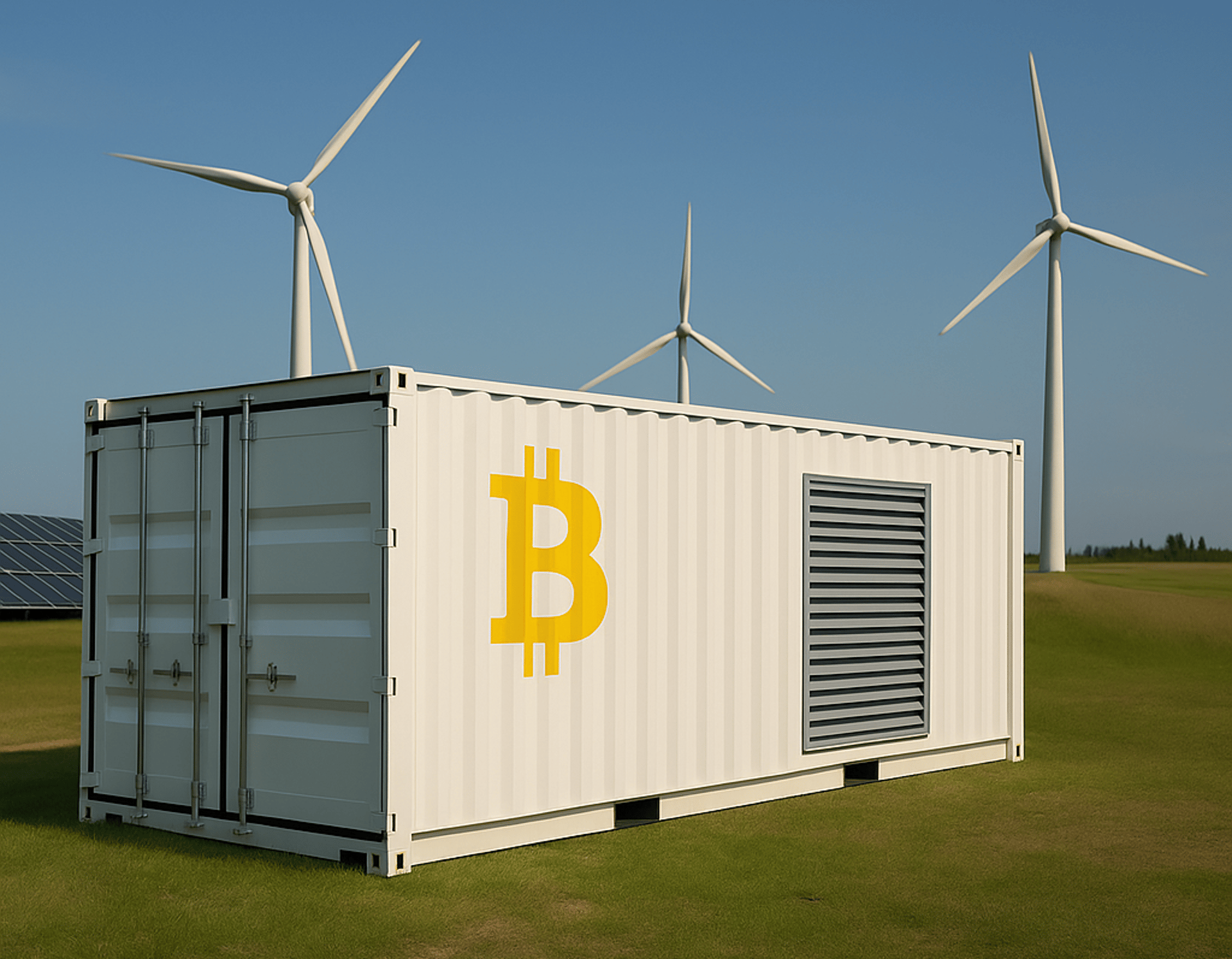
Bitcoin mining enables that choice by:
absorbing surplus energy
operating independently of grid prices
scaling dynamically under volatility
This is not about chasing upside.
It is about protecting downside.
Capital understands that distinction.
Regeneration Is Not Charity — It Is Risk Management
Environmental restoration is often misunderstood as a moral add-on.
In reality, it is a risk-reduction mechanism.
Projects that invest in forests and ecosystems:
stabilize land use
reduce long-term regulatory exposure
align with multi-decade horizons
increase political and social durability
As argued in Why the Energy Transition Must Become Regenerative — Not Just Renewable, systems that fail to address their environmental footprint eventually face backlash, regulation, or stranded risk.
Capital prices those risks — even when markets don’t.
The Entropy888 Model: Capital That Compounds Beyond Energy
At Entropy888, regenerative energy is not a branding exercise.
It is a capital strategy.
By combining:
renewable generation
flexible monetization through Bitcoin
collaborative investment structures
reinvestment into forests
projects evolve from energy assets into regenerative platforms.
This is capital that:
survives volatility
compounds across cycles
produces returns beyond electricity
For long-horizon investors, this is precisely the profile they seek.
Why Traditional ESG Filters Are Failing
ESG checklists measure intent, not outcomes.
They ask:
Is it renewable?
Is it compliant?
Is it labeled correctly?
They rarely ask:
Does it repair what it alters?
Can it survive market stress?
Does it reduce long-term systemic risk?
Regenerative systems answer those questions by design.
As shown in Bitcoin Mining Is Not a Business — It’s a Control System, systems that incorporate control layers outperform those optimized only for efficiency.
Capital follows control.
The Next Capital Cycle Will Favor Systems, Not Assets
The previous energy cycle rewarded:
scale
efficiency
leverage
The next cycle will reward:
resilience
optionality
alignment
regeneration
This is not ideological.
It is the natural response to volatility, oversupply, and systemic risk.
Capital adapts faster than narratives.
Conclusion: Capital Is Moving Toward Durability
The energy transition is entering a new phase.
Renewable energy proved what was possible.
Regenerative energy will prove what is durable.
Projects that:
monetize surplus
absorb volatility
reinvest in ecosystems
will attract capital not because they are virtuous — but because they are structurally superior.
Capital does not fund hope.
It funds systems that endure.
And regenerative energy systems are built to endure.
Contact
© 2025 Entropy888. All rights reserved.
Powered by Renewable Energy.
Christos Boubalos - Business Development Lead +306972 885885 mob/whatsapp
christos@entropy888.com
-------------------------------------------
General Enquiries - info@entropy888.com