
Your Renewable Project Is Profitable on Paper — and Broken in Reality
On paper, the numbers look fine. The model works. The IRR is acceptable. The capacity factor checks out. Yet in reality, more and more renewable energy projects are quietly breaking. Not failing spectacularly — but underperforming structurally.
ENERGY CONTROL SYSTEMS
Chris Boubalos
2/9/2026
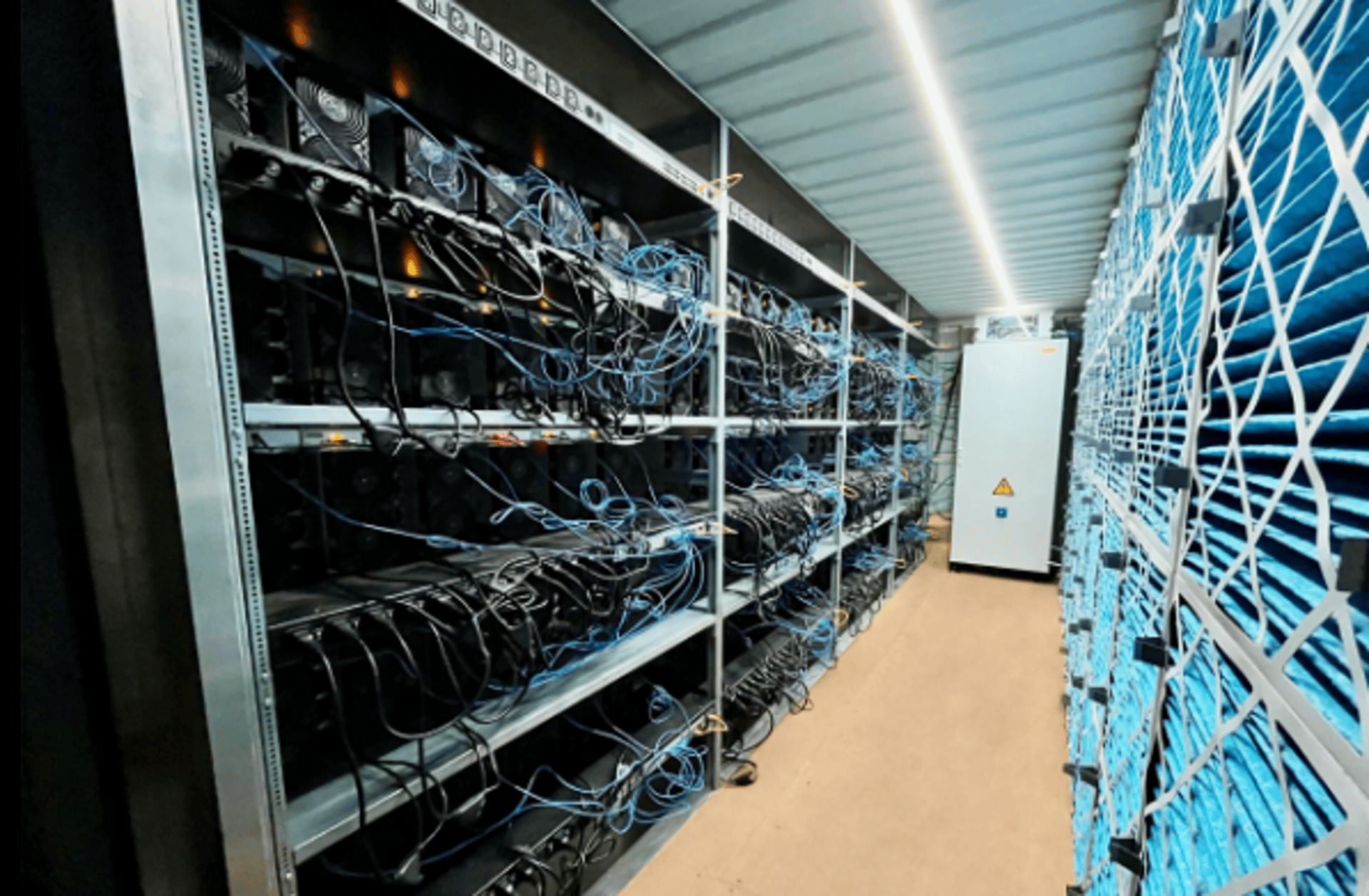
The Growing Gap Between Models and Reality
Most renewable projects are still designed under assumptions that no longer hold:
demand will absorb production
prices will normalize
curtailment will remain temporary
grids will eventually catch up
These assumptions are increasingly wrong.
Across markets:
curtailment is rising
peak prices are collapsing
negative pricing events are spreading
grid expansion is slower than capacity growth
Projects remain “profitable” in spreadsheets — but fragile in operation.
This is the exact failure mode described in Why Energy Systems Need Sinks, Not Just Buffers.
Curtailment Is Not a Temporary Problem
Curtailment is often framed as a transition issue.
It isn’t.
It is a structural feature of energy abundance.
As renewable penetration increases:
production becomes correlated
oversupply clusters in time
marginal prices collapse
Waiting for grids or storage alone to fix this is optimistic at best.
As explored in Why Energy Storage Alone Will Never Fix Oversupply, buffers delay the problem — they do not eliminate it.
When “Good Projects” Quietly Lose Value
Here is what actually happens to many projects:
revenue volatility increases
merchant exposure rises
debt coverage tightens
refinancing becomes harder
equity returns erode
Nothing dramatic happens in year one.
The damage compounds slowly.
By the time it is visible, options are limited.
The Hidden Risk No One Models Properly
Most financial models still treat surplus as:
rare
short-lived
economically neutral
In reality, surplus is:
frequent
persistent
value-destructive
Every curtailed MWh is not just lost revenue — it is lost optionality.
This is why, as argued in The Risk of Waiting: How Late Movers Will Inherit Broken Energy Economics, delay itself becomes the risk.
Why Price Hedging Does Not Solve This
PPAs, CFDs, and hedges protect price — not volume.
They do nothing when:
energy cannot be delivered
grids are saturated
offtake is unavailable
You cannot hedge what you cannot sell.
This is where many projects discover — too late — that their risk is not financial.
It is systemic.
The Missing Layer: Flexible Monetization
What most renewable projects lack is a non-market monetization layer.
Not storage alone.
Not grid expansion alone.
A sink.
A mechanism that:
absorbs surplus when markets fail
shuts off instantly when grids need energy
converts wasted energy into durable value
This is the architectural gap discussed in Why Flexible Demand Beats Infinite Storage.
Bitcoin Mining Is Not the Point — Conversion Is
This is where many discussions derail.
Bitcoin mining is not introduced to:
speculate on price
replace energy markets
“save” bad projects
It exists to solve one specific problem:
How do you prevent energy value from collapsing when markets saturate?
As shown in Why Bitcoin Volatility Is an Asset for Energy Systems, Not a Bug, mining adapts faster than any other industrial load:
costs reprice
difficulty adjusts
capital exits inefficient setups
That adaptability is what matters.
The Role of Entropy888
Entropy888 works with energy producers whose projects are strong — but exposed.
Its role is not to change the core business of a renewable project, but to add a stabilization layer that:
monetizes surplus without touching primary offtake
preserves grid-first operation
limits exposure to market saturation
converts curtailment into shared upside
This is not about “adding mining”.
It is about repairing broken energy economics before they become visible to lenders and regulators.
Why This Drives Clicks (and Decisions)
This topic resonates because it challenges a dangerous comfort:
“Our project is fine.”
Many projects are fine on paper.
Fewer are fine in reality.
The gap between the two is widening — quietly.
Those who recognize it early still have choices.
Those who don’t will eventually be forced into them.
Conclusion: Paper Profits Do Not Survive Abundance
Energy abundance is exposing a hard truth:
Projects designed for scarcity struggle in surplus.
The question is not whether curtailment will increase.
It already has.
The real question is:
Will your project adapt — or slowly bleed value while appearing healthy?
Ignoring this does not preserve returns.
It delays the moment they disappear.
Contact
© 2025 Entropy888. All rights reserved.
Powered by Renewable Energy.
Christos Boubalos - Business Development Lead +306972 885885 mob/whatsapp
christos@entropy888.com
-------------------------------------------
General Enquiries - info@entropy888.com