
Why Energy Abundance Will Replace Taxation as a Strategic Revenue Base
For centuries, states have relied on taxation as the primary mechanism to fund public life. Income taxes, consumption taxes, corporate taxes — all designed to extract value from economic activity after it occurs. This model worked in an era where energy was scarce, expensive, and tightly coupled to production costs. That era is ending. As renewable energy systems scale, many countries are entering a new condition: structural energy abundance. The challenge facing states is no longer how to produce enough energy, but how to manage and monetize the surplus that increasingly exceeds grid absorption. This shift has profound implications for public finance.
ENERGY CONTROL SYSTEMS
Chris Boubalos
1/25/2026
The Hidden Fragility of Tax-Based Revenue Models
Taxation has always carried three structural weaknesses:
Political resistance — taxes are socially and politically costly to raise
Economic sensitivity — tax revenue shrinks during downturns
Debt substitution — when taxes fail, states borrow
As economies become more volatile and demographics more strained, tax-based systems become increasingly fragile.
At the same time, states are investing unprecedented capital into renewable energy infrastructure — often without fully accounting for the long-term revenue potential embedded in these systems.
Energy Is the Only Input That Scales With Civilization
Every economic activity is downstream of energy.
Industry, transportation, data, agriculture, housing — all depend on energy flows. Unlike labor or land, energy scales with technology. And unlike fossil fuels, renewable energy scales toward abundance, not scarcity.
When energy becomes abundant, its marginal price collapses. This is not a market failure — it is the expected outcome of successful decarbonization.
The real failure occurs when states allow surplus energy to collapse in value without capturing it.
From Energy Independence to Energy Revenue
Most national energy strategies stop at energy independence.
That goal is necessary, but incomplete.
Once independence is achieved, a new question emerges:
What happens when energy supply consistently exceeds market demand?
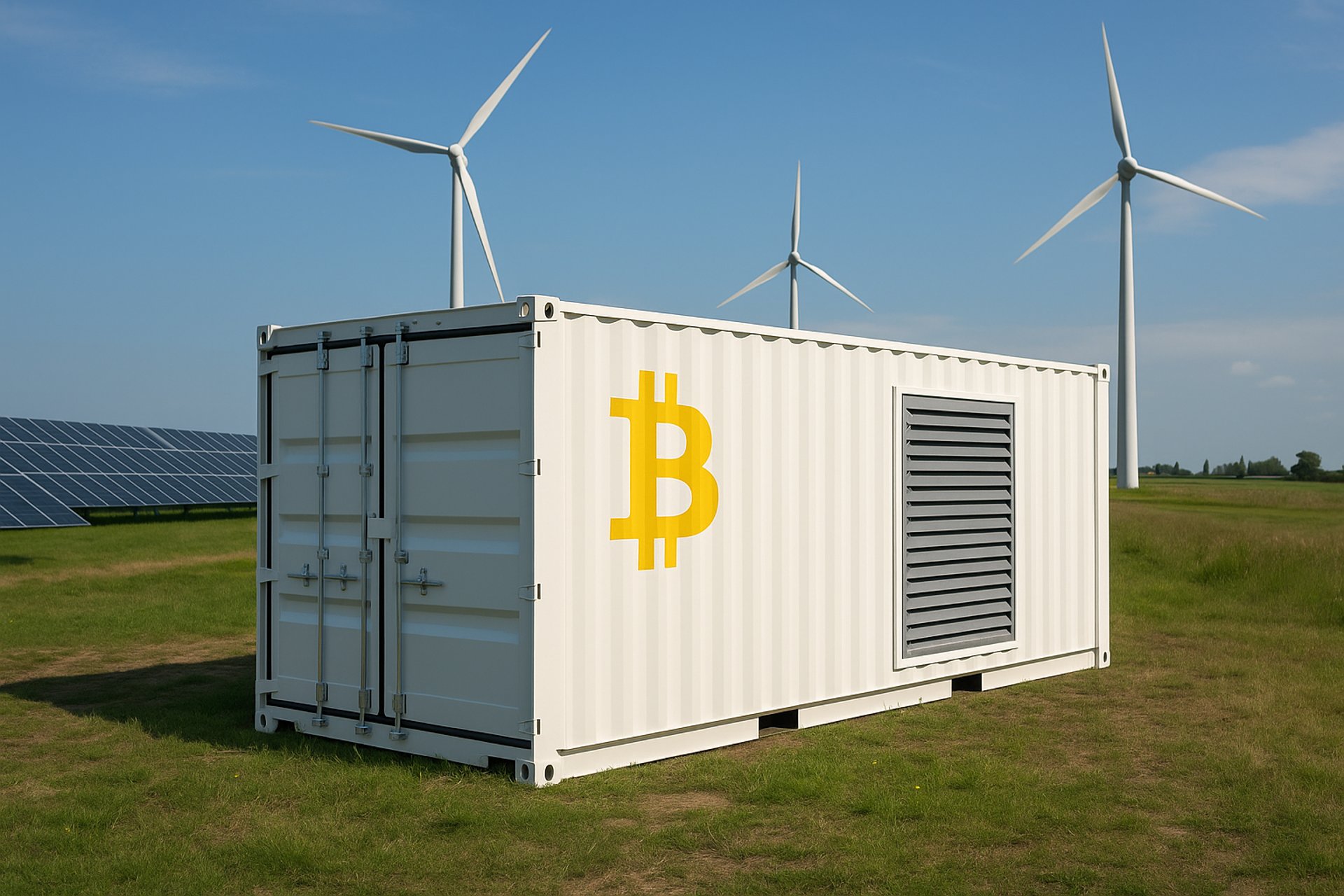
If surplus energy is curtailed or sold at zero or negative prices, the state absorbs the cost while forfeiting potential value. But if surplus is monetized outside saturated power markets, it becomes a new form of public revenue.
This is the transition from energy independence to energy treasury, explored in The First Country to Treat Energy Surplus as Treasury Will Win.
Why Grid Expansion and Storage Are Not Enough
Governments often respond to oversupply with two tools:
grid expansion
energy storage
Both are necessary. Neither is sufficient.
Grids redistribute energy, but do not guarantee demand. Storage shifts energy in time, but remains fully exposed to power market pricing. As shown in Why Energy Systems Need Sinks, Not Just Buffers, neither approach terminates surplus.
Surplus only disappears when energy exits the grid permanently and is converted into non-grid value.
Energy Surplus as a Non-Tax Revenue Stream
When surplus energy is monetized through grid-first, surplus-only architectures, it generates revenue that:
does not raise consumer prices
does not require new taxes
does not increase public debt
At national scale, even conservative monetization of surplus can generate hundreds of millions annually, creating a parallel revenue base that is structurally independent of taxation.
This is not a replacement for all taxes — but it changes their role.
Taxes become a secondary tool.
Energy surplus becomes a primary funding engine.
What This Can Fund Without Raising Taxes
A surplus-derived revenue base can fund:
grid upgrades and resilience
long-term environmental restoration
public infrastructure
sovereign buffers against volatility
Most importantly, it allows states to fund ecological repair continuously, rather than treating restoration as a discretionary budget item.
As argued in Why Restoration Will Become a Hard Requirement for Energy Assets, energy systems that alter landscapes without repairing them will face increasing social and political resistance.
Energy abundance makes repair affordable.
Why This Requires New System Design
This shift does not happen automatically.
It requires:
grid-first operating rules
clear definitions of surplus
flexible, dispatchable sinks
transparent allocation frameworks
Above all, it requires thinking of energy not only as infrastructure, but as fiscal architecture.
The Role of Entropy888
Entropy888 operates at the intersection of energy systems and capital design.
Its role is not equipment sales or energy trading, but the design and implementation of surplus monetization architectures for large-scale energy owners, utilities, and public authorities.
In practice, this includes:
designing grid-first, surplus-only system logic
deploying and operating flexible surplus sinks
structuring collaborative investment models that reduce debt reliance
embedding environmental restoration as a permanent system outflow
For states and countries exploring how to move beyond tax-dependent public finance, these architectures are becoming increasingly relevant.
Conclusion: Abundance Changes the Logic of the State
Taxation was the foundation of the industrial state.
Energy abundance is reshaping that foundation.
In an energy-abundant world, the most resilient states will not be those that tax more efficiently, but those that capture surplus value intelligently — converting excess energy into stable public revenue without burdening citizens or markets.
Energy independence was the first objective of the transition.
Energy-derived public capital is the next.
Contact
© 2025 Entropy888. All rights reserved.
Powered by Renewable Energy.
Christos Boubalos - Business Development Lead +306972 885885 mob/whatsapp
christos@entropy888.com
-------------------------------------------
General Enquiries - info@entropy888.com