
The Energy-for-Bitcoin Partnership Model
In traditional energy projects, value flows in one direction: energy is sold, priced, curtailed, or wasted. In energy-abundant systems, this model breaks. The Energy-for-Bitcoin Partnership introduces a new form of antiparochí: not land for apartments — but energy for productive digital capital.
Chris Boubalos
2/5/2026
The Core Idea (Simple Version)
You provide surplus or underutilized energy
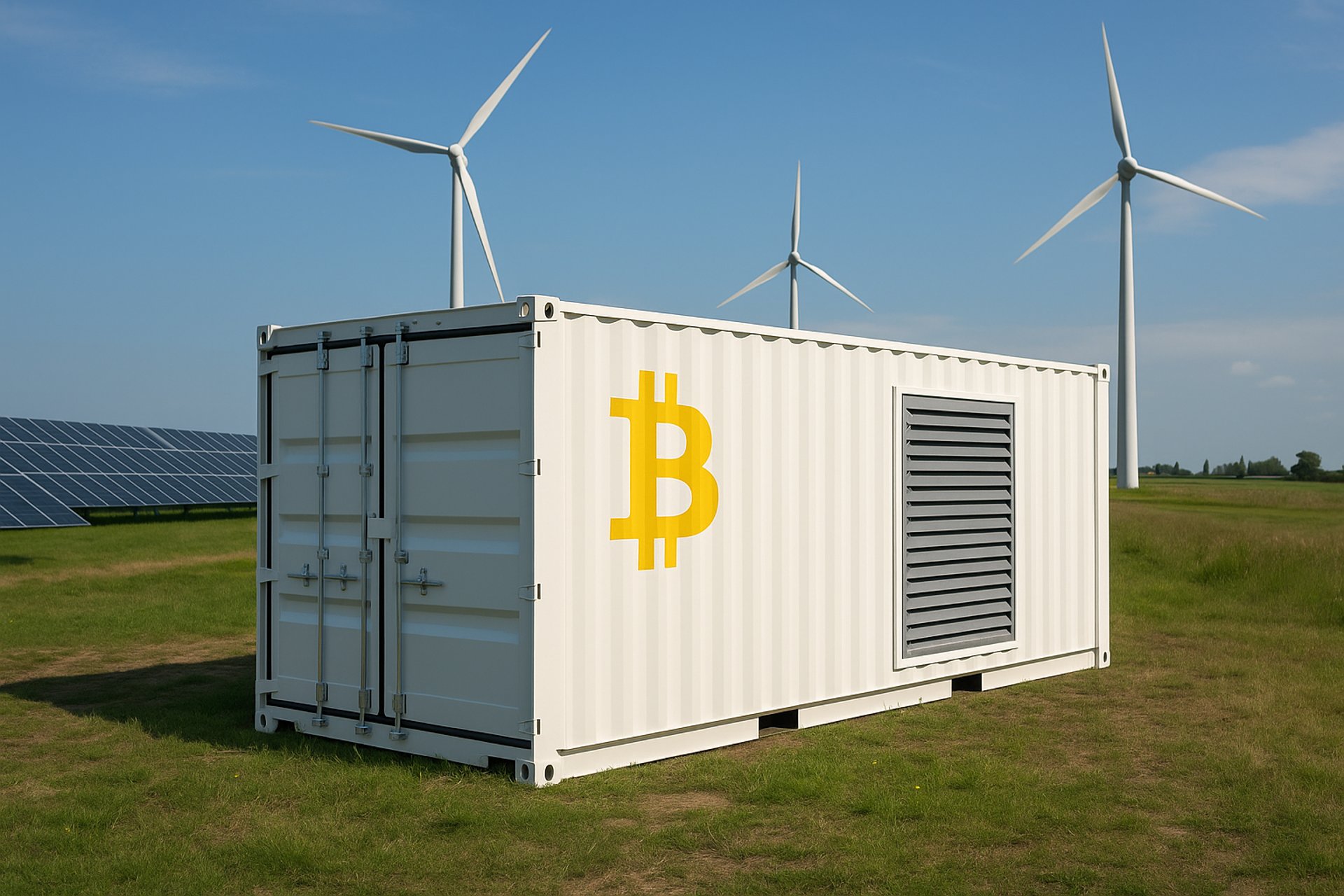
We deploy and operate Bitcoin mining infrastructure
We absorb all technical and capital costs
Net Bitcoin revenue is shared according to a predefined ratio
No energy sale.
No fixed electricity price.
No speculative exposure for the energy owner.
Just shared upside from value that would otherwise be lost.
Step 1: Energy Contribution (Your Side)
The energy partner provides:
surplus electricity (curtailment hours, off-peak, isolated production)
grid-first operation (miners shut off when grid needs energy)
physical access / interconnection (where required)
Important:
energy is not paid upfront
energy remains priority for grid or core business
mining only consumes what would otherwise be wasted
This keeps the model politically and socially safe.
Step 2: Infrastructure Deployment (Our Side)
Entropy888 provides:
Bitcoin miners (air / immersion depending on site)
containers or modular units
electrical integration & control systems
monitoring, optimization, and maintenance
operational risk management
All CAPEX and OPEX are covered by us, including:
hardware
installation
repairs
replacement cycles
The energy partner does not invest cash.
Step 3: Cost Recovery (Before Profit Split)
Before any profit sharing, the system first recovers:
mining hardware cost
infrastructure and deployment cost
operational expenses
This recovery is:
transparent
auditable
capped in advance
Once costs are recovered, the system transitions automatically to profit-sharing mode.
This aligns incentives:
we recover faster if the system performs well
you take zero downside risk
Step 4: Profit Sharing (The Antiparochí Moment)
After cost recovery, net Bitcoin production is split.
Typical structures (indicative):
50 / 50
60 / 40
70 / 30
Split depends on:
energy quality & availability
curtailment profile
site constraints
regulatory environment
Bitcoin can be:
distributed in BTC
converted to fiat
partially reinvested (e.g. expansion, batteries, restoration)
The key point:
You earn from energy you were not monetizing before.
Why This Model Works (And Fixed-Price Models Don’t)
Traditional models fail because they assume:
stable prices
constant demand
predictable markets
This model works because it accepts reality:
energy oversupply is structural
prices collapse during abundance
volatility is normal
Instead of fighting volatility, the model uses it.
As explained in Why Bitcoin Volatility Is an Asset for Energy Systems, Not a Bug, mining economics adjust naturally:
hardware reprices
difficulty adjusts
inefficient operators exit
This keeps the system resilient.
Risk Distribution (Very Important)
Bitcoin price volatility
Shared between both parties, with asymmetric buffering through cost repricing and flexible operation.Hardware failure and equipment replacement
Fully assumed by Entropy888.Operational and maintenance risk
Fully assumed by Entropy888.Regulatory or policy changes affecting energy
Shared between both parties, addressed through adaptive system design.Energy curtailment or intermittency
Neutral by definition — curtailment is the input to the system, not a risk factor.
The energy partner avoids:
capital lock-in
stranded equipment
speculative exposure
Why This Is Better Than Selling Cheap Power
Selling surplus energy at:
zero price
negative price
temporary PPA discounts
creates no long-term value.
This model:
creates an asset instead of a discount
converts waste into capital
aligns long-term incentives
keeps energy sovereignty intact
It is monetization without extraction.
Why Early Partners Win Disproportionately
Early partners benefit from:
lower miner prices
flexible system design
better revenue splits
first-mover positioning
Late adopters inherit:
saturated models
tighter margins
fixed rules
less optionality
This is exactly the dynamic described in The Risk of Waiting: How Late Movers Will Inherit Broken Energy Economics.
Optional Extensions (If Desired)
The model can be extended to include:
reinvestment into local grids
funding of environmental restoration
shared battery + mining hybrids
sovereign or regional energy funds
But these are options, not requirements.
The core model works on its own.
Conclusion: A New Value for Value Era
This is not energy trading.
This is not mining speculation.
This is not financial engineering.
It is a value-for-value exchange:
energy that had no buyer
converted into digital capital
shared fairly between partners
In an era of energy abundance, ownership of surplus matters more than price.
This model ensures surplus creates value — not waste.
Contact
© 2025 Entropy888. All rights reserved.
Powered by Renewable Energy.
Christos Boubalos - Business Development Lead +306972 885885 mob/whatsapp
christos@entropy888.com
-------------------------------------------
General Enquiries - info@entropy888.com