
When Clean Energy Becomes a Liability: Why States (or Countries) Must Redesign Energy Strategy for Oversupply, Not Shortage
For most of the last century, energy policy was built around fear: What if we don’t have enough power? That fear shaped everything — geopolitics, grids, subsidies, and national strategy. Renewables have flipped the problem. Today, an increasing number of States (or Countries) face a paradox that existing institutions are not prepared for: Clean energy is no longer scarce. It is increasingly excessive. And unmanaged excess does not create strength. It creates fragility.
ENERGY CONTROL SYSTEMS
Chris Boubalos
12/27/2025
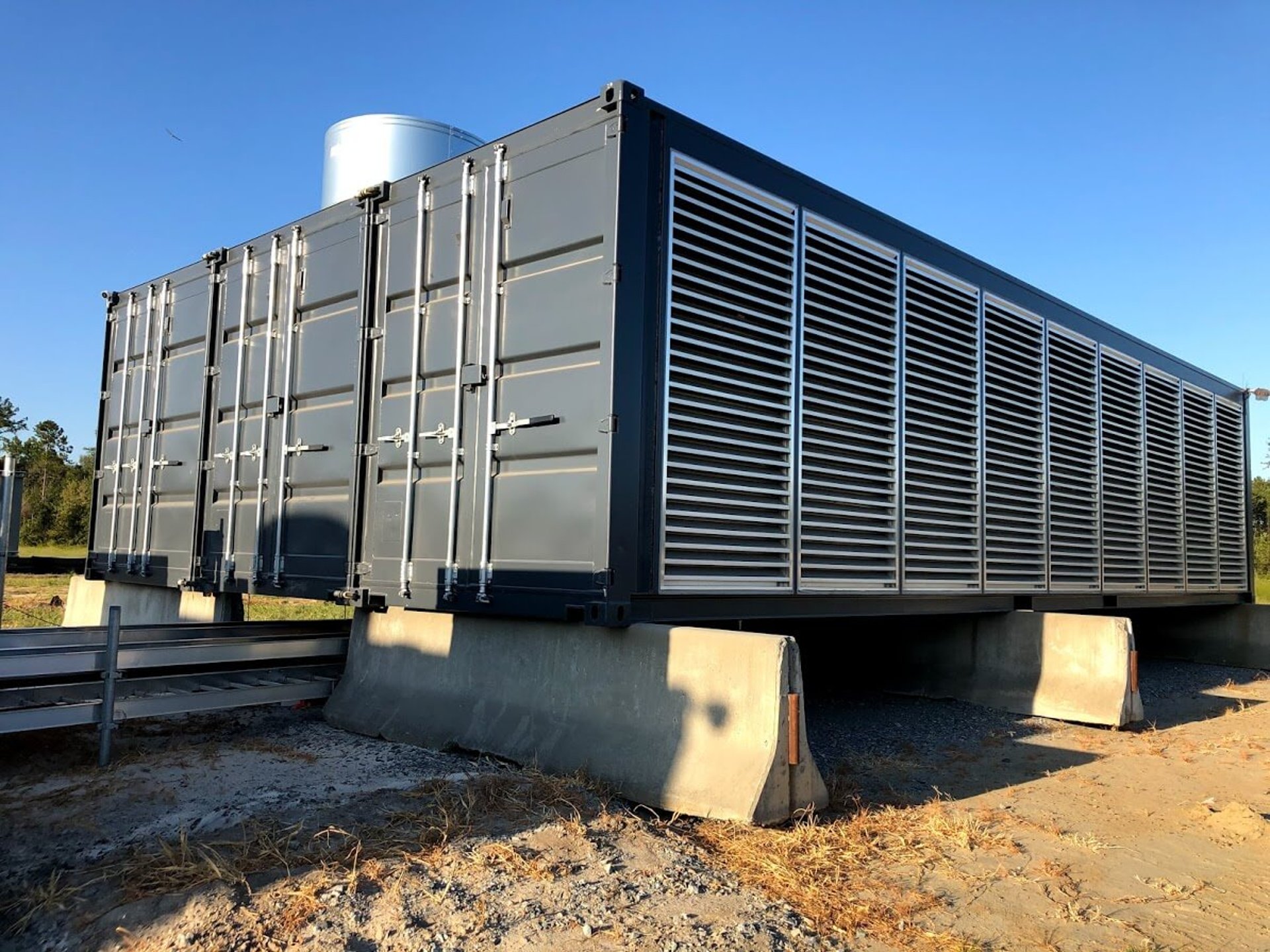
1. Oversupply Is the New Systemic Risk
In high-renewable systems, oversupply manifests as:
collapsing wholesale prices
rising curtailment
public investment underutilization
stranded grid capacity
political backlash against “wasted energy”
This is not a temporary transition issue.
It is the natural end-state of successful renewable deployment.
States (or Countries) that ignore this will discover that abundance, without control, erodes trust and capital.
2. Why Institutions Still Think in Terms of Shortage
Most national energy frameworks in States (or Countries) still assume:
supply must chase demand
demand is fixed
value is realized instantly
grids are neutral value channels
These assumptions are no longer valid.
Renewables produce:
intermittently
synchronously
at zero marginal cost
Markets designed for scarcity break under these conditions.
3. Curtailment Is Not a Technical Outcome — It Is a Policy Choice
Curtailment is often framed as unavoidable.
At the level of States (or Countries), this framing is dangerous.
Curtailment means:
assets funded by citizens do not deliver value
emissions-free power is intentionally destroyed
economic opportunity is forfeited
A State (or Country) that normalizes curtailment has chosen convenience over stewardship.
4. States (or Countries) Must Move From “Energy Flow” to “Energy Value” Policy
Traditional policy focuses on:
megawatts
grid stability
dispatch rules
Modern policy in States (or Countries) must also focus on:
value timing
surplus absorption
long-duration monetization
economic resilience
The key question shifts from:
“Can the grid take this energy?”
to:
“How does this energy preserve national value?”
5. The Missing Layer: National Surplus Absorption Mechanisms
Every successful system has a buffer.
For States (or Countries), that buffer cannot be:
endless grid expansion
perpetual subsidies
forced curtailment
States (or Countries) need built-in surplus absorption layers that:
activate automatically
scale with production
operate independently of demand
preserve value across time
Without this, oversupply will always translate into political and economic stress.
6. Why Flexible Loads Belong in National Strategy
Flexible loads allow States (or Countries) to:
absorb excess production
stabilize markets
reduce curtailment payouts
lower system-wide costs
protect public investment
They are not consumption incentives.
They are governance tools.
7. Renewable-Powered Bitcoin Mining as a State (or Country)-Level Instrument
Under strict renewable and regulatory frameworks, Bitcoin mining provides States (or Countries) with:
immediate absorption of surplus energy
no dependency on local demand
no fuel imports
no water constraints
global liquidity of output
long-duration value conversion
For States (or Countries), this means:
an economic buffer against price collapse
a mechanism to preserve value when markets fail
a tool to support regional development
a hedge against demand shocks
This is not financial speculation.
It is energy system design.
8. What Happens If States (or Countries) Do Nothing
If oversupply is managed passively, States (or Countries) will face:
declining renewable IRRs
slowed deployment
rising subsidy requirements
public frustration
policy reversals
The energy transition does not fail loudly.
It fails quietly — through lost momentum.
9. The Role of Entropy888
Entropy888 works with energy owners and public-sector stakeholders in States (or Countries) to design systems that assume oversupply as the baseline — not the exception.
Our focus is on:
eliminating curtailment by design
integrating flexible monetization layers
aligning renewable expansion with long-term value preservation
ensuring solutions remain compatible with public-interest goals
Bitcoin mining is treated as infrastructure, not ideology.
Conclusion: Abundance Requires Strategy
Clean energy success changes the rules of governance for States (or Countries).
Those that continue to design policy for shortage will turn abundance into liability.
States (or Countries) that redesign systems for oversupply will:
protect public capital
stabilize markets
accelerate decarbonization
strengthen sovereignty
In the renewable era, the central question is no longer:
How much energy can we produce?
It is:
How intelligently do we manage abundance?
Contact
© 2025 Entropy888. All rights reserved.
Powered by Renewable Energy.
Christos Boubalos - Business Development Lead +306972 885885 mob/whatsapp
christos@entropy888.com
-------------------------------------------
General Enquiries - info@entropy888.com