
The Cost of Missing the Energy Surplus Window
There is a narrow window opening in the global energy transition. If investments are not directed toward surplus monetization and regeneration now, a unique opportunity will be lost — not only to return real wealth to nature, but also to provide structural stabilization to national economies without additional taxation or debt. This opportunity will not remain open indefinitely.
ENERGY CONTROL SYSTEMS
Chris Boubalos
1/31/2026
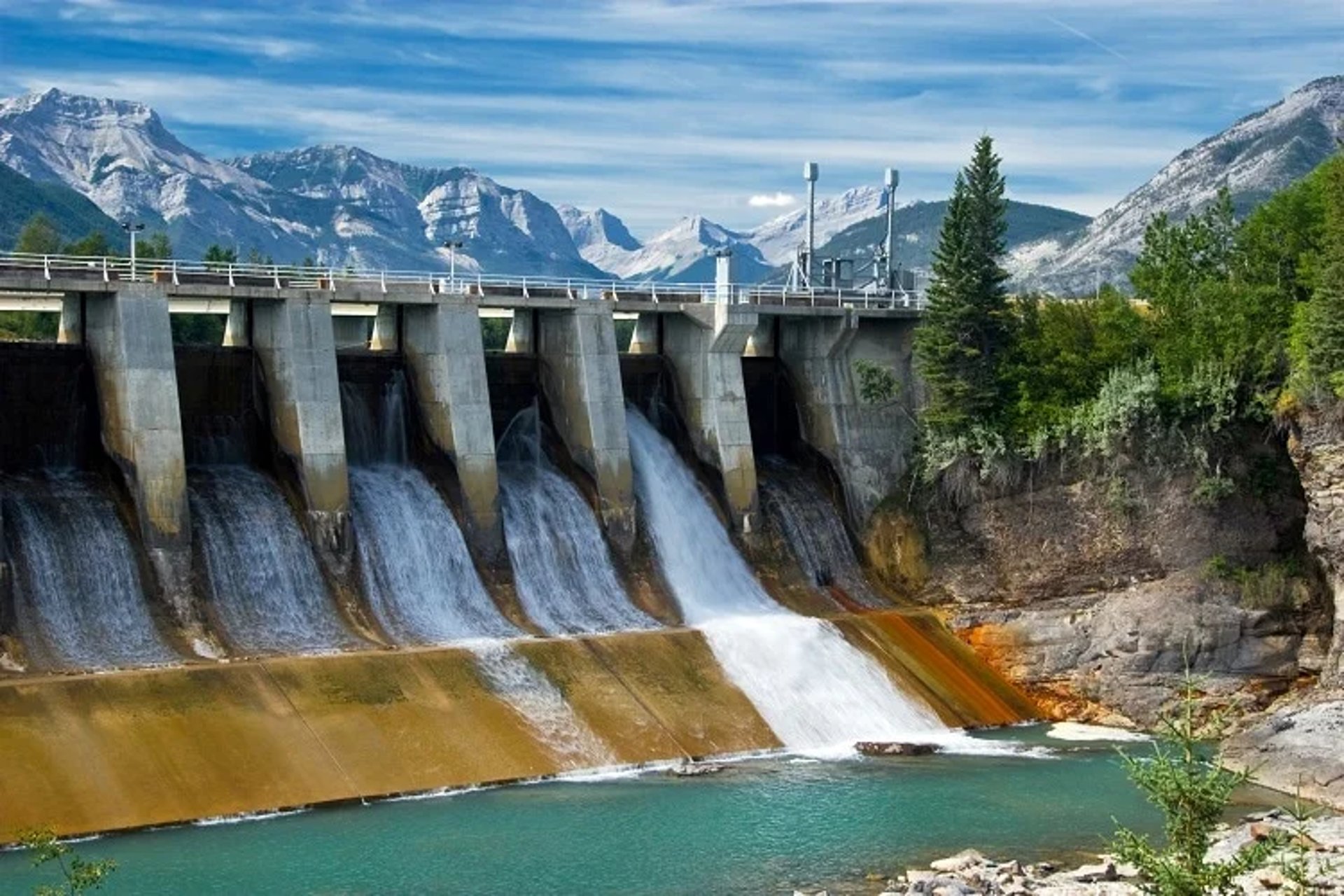
A Once-in-a-Generation Opportunity
For the first time in modern history, large energy systems are moving toward structural abundance rather than scarcity.
This creates a rare dual possibility:
to convert excess energy into long-duration economic value, and
to reinvest part of that value directly into ecological restoration at scale.
If surplus energy continues to be curtailed, dumped at negative prices, or absorbed inefficiently, the system fails twice:
environmentally, by forgoing the chance to repair ecosystems altered by infrastructure
economically, by denying countries a new, non-tax revenue stabilizer
As argued in Beyond Energy Independence: How a State / Country Can Turn Renewable Abundance Into National Capital, surplus energy is not a technical inconvenience — it is latent national capital.
What Is Lost If This Window Is Missed
If investment does not flow into surplus monetization architectures:
energy abundance collapses into waste
restoration remains underfunded and symbolic
public finance remains dependent on taxes and debt
social resistance to infrastructure intensifies
The cost is not just environmental.
It is intergenerational.
Countries will continue to pressure citizens fiscally, accumulate debt, and face ecological opposition — while the value needed to mitigate all three is literally being discarded.
This is the systemic failure described in Why Energy Systems Need Sinks, Not Just Buffers.
The Window Is Already Opening
The critical point is this:
Investment has already begun moving in this direction.
Forward-looking energy owners, utilities, and governments are starting to recognize that:
surplus must be captured, not eliminated
value must exit saturated power markets
restoration must be funded structurally, not politically
These early movers are not acting out of ideology.
They are responding to system pressure.
As with all structural transitions, those who recognize the pattern early compound advantage. Those who delay do not simply catch up — they lose positioning.
Energy surplus governance is becoming a first-mover domain.
Late Recognition Has a Cost
Trends driven by system physics do not wait for consensus.
Countries or institutions that delay will face:
higher curtailment
lower asset returns
more political friction
weaker social license
By the time surplus becomes politically unavoidable, early frameworks will already be in place elsewhere.
At that point, the question will no longer be whether to act — but why action came too late.
This is the same dynamic outlined in The First Country to Treat Energy Surplus as Treasury Will Win.
Why This Is About Design, Not Ideology
Capturing surplus value and reinvesting it into nature is not a political preference.
It is a design choice.
Either systems are built to:
allow surplus value to evaporate, or
preserve and redirect it deliberately
There is no neutral outcome.
The absence of design is itself a decision — one that favors waste, instability, and resistance.
The Role of Entropy888
Entropy888 operates at the system layer where this opportunity is either captured or lost.
Its role is not advocacy, but architecture: helping large energy owners, utilities, and public authorities design grid-first, surplus-only systems that:
isolate genuine surplus without affecting consumers
convert surplus into durable economic value
embed ecological restoration as a permanent system output
reduce dependence on taxation and debt
In this context, Entropy888’s work is not about “Bitcoin” or “mining” as an industry — but about preventing value destruction in energy-abundant systems.
Conclusion: Windows Close Faster Than Transitions
Energy abundance is arriving faster than governance frameworks.
That gap is the opportunity — and the risk.
If investments are made now, surplus energy can:
fund restoration at meaningful scale
stabilize public finances structurally
reduce political and social friction
turn the success of the energy transition into long-term resilience
If they are not, the cost will not be measured only in lost revenue.
It will be measured in:
degraded ecosystems
fragile economies
and missed generational opportunity
The transition itself is inevitable.
Who benefits from it is not.
Contact
© 2025 Entropy888. All rights reserved.
Powered by Renewable Energy.
Christos Boubalos - Business Development Lead +306972 885885 mob/whatsapp
christos@entropy888.com
-------------------------------------------
General Enquiries - info@entropy888.com