From Power Plants to Value Engines: How Flexible Monetization Redefines Renewable Asset Quality
Renewable energy has crossed a critical threshold. Capacity is no longer scarce. Quality is. As grids saturate and prices swing wildly, two solar or wind projects with identical megawatts can deliver radically different outcomes. The difference is not technology. It is how each project converts electricity into value when markets fail. This is the moment when power plants evolve into value engines.
ENERGY ECONOMICS
Chris Boubalos
12/22/2025
1. Capacity Is No Longer the Differentiator
For years, success meant:
more MW installed
better resource quality
faster commissioning
Those metrics still matter — but they no longer determine outperformance.
In high-renewable systems:
oversupply is frequent
curtailment is structural
PPAs cap upside
spot markets collapse at peak production
Capacity without flexibility now produces diminishing returns.
2. Asset Quality Is About Control, Not Output
High-quality assets share one trait:
They control when and how value is realized.
That control comes from optionality:
sell to the grid when prices are strong
store briefly when timing is off
convert surplus into non-grid value when markets break
Assets without optionality are forced sellers.
Assets with optionality are allocators.
Markets reward allocators.
3. Why Batteries Improved Quality — but Didn’t Finish the Job
Battery storage was the first major upgrade to asset quality because it:
reduced volatility
improved dispatch
enabled ancillary revenues
But batteries alone cannot:
absorb multi-hour oversupply
address seasonal imbalance
preserve value during prolonged price collapse
They improve technical quality.
They do not guarantee economic resilience.
That requires a second layer.
4. Flexible Monetization Is the Missing Layer
Flexible monetization means the asset can convert surplus energy into value without depending on grid prices.
This layer must be:
instant
scalable
behind the meter
indifferent to timing
globally liquid in outcome
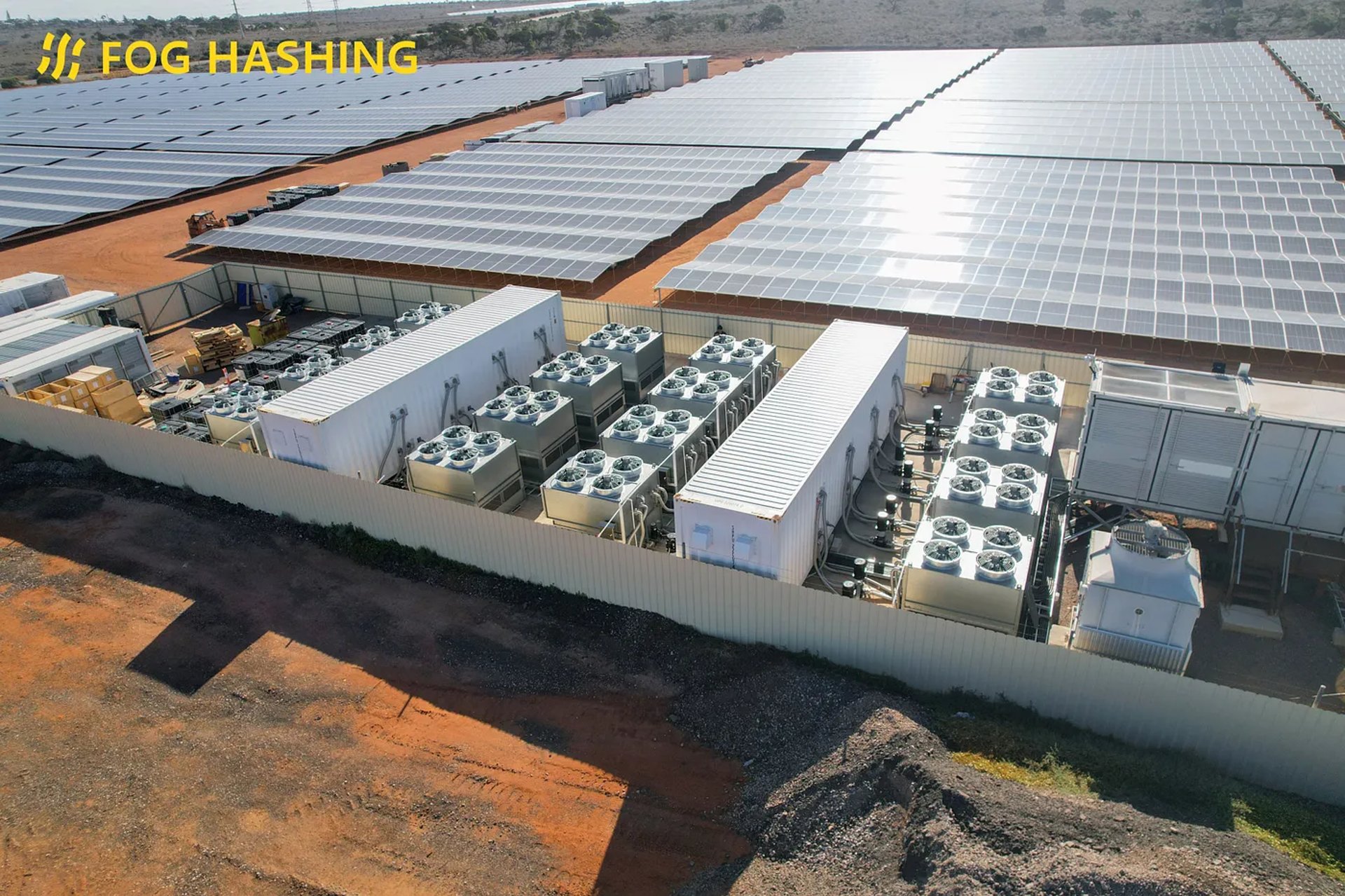
Renewable-powered Bitcoin mining uniquely fits these requirements, functioning as:
a buyer of last resort
a curtailment eliminator
a long-duration value sink
It is not an alternative to the grid.
It is insurance against grid failure.
5. The Valuation Impact Is Structural
When flexible monetization is embedded, projects exhibit:
fewer zero-revenue hours
smoother cash flows
stronger downside cases
improved DSCR
lower refinancing risk
Over time, this translates into:
lower WACC
higher leverage capacity
stronger exit multiples
Valuation follows risk.
Risk falls with optionality.
6. Why Overbuild Becomes Rational — Not Reckless
Traditional logic says overbuild creates waste.
Flexible logic says overbuild creates optionality.
When surplus can always be monetized:
additional MWs are not stranded
curtailment is neutralized
capital works harder
scale accelerates
The best platforms intentionally produce more than the grid can take — because value capture is no longer grid-bound.
7. Asset Quality Becomes Platform Quality
At scale, the best operators stop managing plants and start managing systems:
generation
short-term storage
flexible monetization
intelligent control
This platform mindset separates leaders from laggards.
Plants produce electricity.
Platforms produce resilience.
8. What This Means for Investors and Boards
Boards and investors increasingly ask:
How does this asset perform in price collapse?
What happens during curtailment events?
Can it monetize surplus independently?
Does it have more than one exit?
Projects that answer “yes” command confidence.
Projects that answer “no” face discounting.
This is already happening.
9. The Role of Entropy888
Entropy888 helps renewable owners design assets as value engines, not grid-dependent plants.
Our work focuses on:
integrating flexible monetization behind the meter
combining batteries with long-duration value conversion
eliminating forced curtailment
stabilizing cash flows across cycles
Bitcoin mining is treated as infrastructure — a monetization layer that upgrades asset quality when markets break.
Conclusion: The Best Assets Don’t Just Produce Power — They Decide Value
In the renewable era, abundance is inevitable.
Volatility is unavoidable.
Grid stress is structural.
What separates average assets from exceptional ones is control.
The best renewable assets:
are not trapped by timing
are not forced by markets
are not dependent on a single exit
They convert power into value under all conditions.
That is the new definition of quality —
and it will decide who outperforms in the decades ahead.
Contact
© 2025 Entropy888. All rights reserved.
Powered by Renewable Energy.
Christos Boubalos - Business Development Lead +306972 885885 mob/whatsapp
christos@entropy888.com
-------------------------------------------
General Enquiries - info@entropy888.com