Energy Surplus as Power: How States Convert Electrons into Strategic Leverage
In the 20th century, power belonged to those who controlled scarcity: oil reserves, gas pipelines, shipping lanes. In the 21st century, power is shifting to those who can manage abundance. Renewable energy has created a new geopolitical reality. Many states can now produce more clean electricity than their grids, markets, or neighbors can absorb. The question is no longer: Can we generate enough energy? It is now: Can we convert surplus energy into lasting strategic leverage? This is where modern energy strategy begins.
ENERGY CONTROL SYSTEMS
Chris Boubalos
12/19/2025
1. Surplus Is Not Waste — It Is Latent Power
Energy surplus is often framed as a problem:
curtailment
negative prices
grid congestion
“too much solar”
“too much wind”
This framing is dangerously wrong.
Surplus energy is unused national capacity.
It represents potential economic power, geopolitical optionality, and long-term resilience.
States that treat surplus as waste lose leverage.
States that treat surplus as an asset gain it.
2. The Historical Pattern: Power Always Follows Convertibility
Throughout history, raw resources mattered only when they could be converted:
Gold mattered because it could become money
Oil mattered because it could become mobility and industry
Data matters because it becomes intelligence and influence
Energy is no different.
Electricity only becomes power when it can be converted into:
wealth
resilience
strategic reserves
influence beyond borders
If conversion is blocked by grids or markets, sovereignty is incomplete.
3. Why Grids Alone Cannot Deliver Strategic Power
National grids were designed for distribution, not strategy.
They are constrained by:
physical capacity
interconnection politics
cross-border dependencies
real-time balance requirements
market rules that collapse under oversupply
A state that relies only on the grid can monetize energy:
only at specific times
only at market-clearing prices
only when neighbors agree to take it
That is not leverage.
That is dependency.
4. Strategic Leverage Requires Optionality
True leverage comes from choice.
A state with energy optionality can decide:
when to export
when to store
when to internalize value
when to convert energy into non-energy assets
Optionality transforms electrons from a commodity into a strategic instrument.
This is the core shift modern energy policy must make.
5. From Electrons to Assets: The New Conversion Pathways
Modern states now have three conversion layers:
Layer 1 — Physical Storage (Batteries, Pumped Hydro)
Useful for short-term stability and grid resilience.
Layer 2 — Industrial Conversion (Hydrogen, Desalination, Industry)
Capital-intensive, slow to scale, location-dependent.
Layer 3 — Economic Conversion (Flexible Digital Loads)
Fast, scalable, location-agnostic.
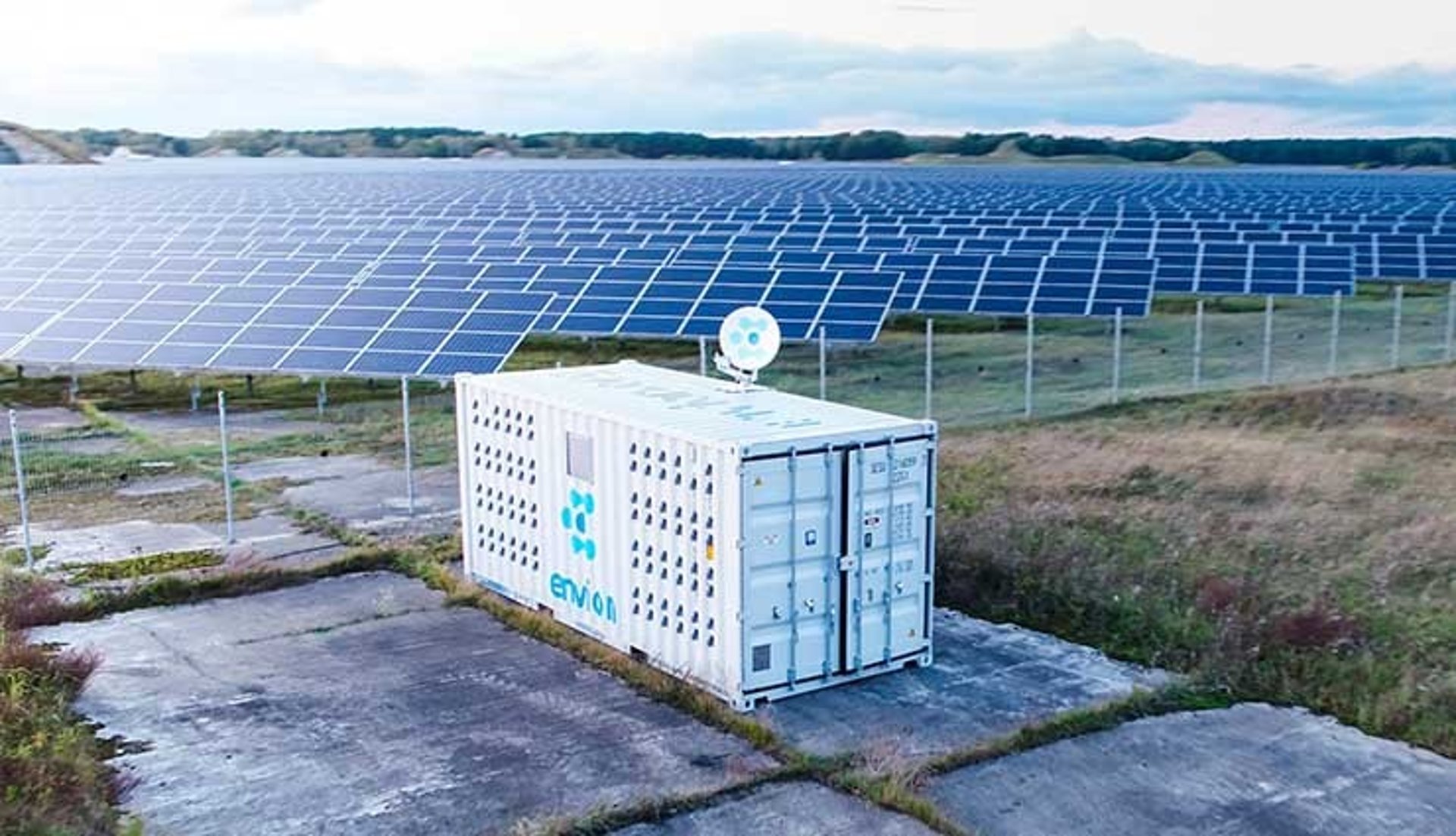
Among all options, renewable-powered Bitcoin mining stands out as the most efficient economic conversion layer:
instant deployability
infinite scalability
no cross-border permission needed
value preserved across time
global liquidity
independence from real-time demand
It converts surplus electricity directly into a strategic digital reserve.
6. Energy Reserves vs. Strategic Reserves
Traditional reserves:
oil stockpiles
gas storage
fuel depots
These are expensive, finite, and politically visible.
Energy-converted digital reserves:
are invisible
portable
non-perishable
globally liquid
politically neutral
immune to blockades
A state that can convert surplus renewables into digital reserves has effectively created a new form of energy-backed sovereignty.
7. The Geopolitical Implications
States that master energy conversion gain:
reduced exposure to energy price shocks
insulation from supply-chain disruptions
stronger balance of payments
leverage in trade negotiations
resilience during sanctions or crises
strategic autonomy in a multipolar world
Energy surplus stops being a domestic inconvenience
and becomes an instrument of statecraft.
8. Why Timing Matters More Than Ever
This window will not stay open forever.
As more countries:
build renewables
saturate grids
face curtailment
only those who move early will:
accumulate reserves cheaply
build institutional expertise
set regulatory standards
shape global norms
Late adopters will face:
lower marginal returns
higher competition
reduced strategic upside
Leverage compounds with time.
9. The Role of Entropy888
Entropy888 operates at the boundary between:
renewable energy systems
flexible-load infrastructure
and strategic energy monetization
We work with energy owners and public-sector stakeholders to design systems where:
surplus energy is never wasted
conversion pathways are built into infrastructure
flexibility is treated as a strategic asset
Our focus is not mining as an industry,
but energy conversion as national capability.
Conclusion: Power Belongs to Those Who Can Convert
The 21st century will not be defined by who produces the most energy.
It will be defined by who can convert energy into leverage.
Electrons that cannot be stored, exported, or converted are fleeting.
Electrons that become strategic assets endure.
For states navigating a volatile, multipolar world,
energy surplus is no longer a technical issue.
It is raw geopolitical power — waiting to be shaped.
The question is not whether this conversion will happen.
It is who will control it first.
Contact
© 2025 Entropy888. All rights reserved.
Powered by Renewable Energy.
Christos Boubalos - Business Development Lead +306972 885885 mob/whatsapp
christos@entropy888.com
-------------------------------------------
General Enquiries - info@entropy888.com